Having a garage door with the latest safety technology is the best way to protect your family and belongings. This guide will show you all the safety features to look for, whether you’re purchasing your first garage door or simply want to know whether your current model meets modern safety standards.
Why Garage Door Safety Features Matter
Garage doors are heavy. They can weigh hundreds of pounds depending on their size, thickness, material and other variables. They also have several parts such as springs, tracks, rollers and a motor that must work in sync with each other for the door to operate correctly. Having a garage door that was manufactured with safety in mind will reduce the risk of accidents, provide better protection for your vehicles and belongings and keep your system compliant with national standards.
Essential Automatic Garage Door Safety Features
There are federal safety standards that apply to all automatic residential garage door operators manufactured in the U.S. on or after January 1, 1993. They include:
Photo-Eye Safety Sensors
Photo-eye sensors are one of the most important safety components found on modern garage doors. They’re installed a few inches above the floor on each side of the doorway and work together to create an invisible safety beam.
If something blocks that beam, like a child running past or a pet walking through, the door immediately stops and reverses direction. This quick reaction helps prevent injuries and adds an extra layer of safety whenever the door closes.
Auto-Reverse Mechanism
In addition to photo-eye sensors, modern garage door openers must have an auto-reverse system that reacts to physical contact. This feature senses pressure as the door closes. If it detects that the door has hit something, it stops immediately and lifts back up.
This serves as an extra layer of protection if the safety sensors malfunction or if whatever’s in the way is too small to block the safety beam. On top of promoting safety, the auto-reverse mechanism can protect your door and opener by preventing unnecessary strain or damage when something heavy is in its way.
Manual Release Mechanism
The manual release handle is the red cord attached to the trolley, and it allows you to disconnect the opener so you can raise the door by hand. It is useful during a power outage or when the opener doesn’t respond, giving you a way to enter or leave your garage when the system isn’t working.
Since pulling the manual release takes the door out of automatic mode, you should move the door with care and contact a professional to fix your opener issue and reconnect the system.
Additional Safety Features to Look for in Garage Doors
Other than the mandated garage door safety features, the following will further ensure the safety of your family and property:
Rolling Code Technology
Modern garage door openers use rolling code technology, which creates a new access code on your remote every time you press the button. This technology prevents thieves from capturing and reusing your signal, a tactic that’s becoming more common. With rolling codes, your opener keeps changing the code so intruders can’t match it.
Battery Backup Systems
Power outages often happen without warning. A battery backup keeps your garage door functioning even when the power is out, allowing you to open and close the door and maintain security. This feature is especially useful during storms or in areas where outages happen regularly.
A Strong Locking System
Many homeowners don’t realize their garage door doesn’t truly “lock” when it closes. While the opener makes it difficult to lift the door, a determined intruder can still force it open without a proper lock. A built-in, sturdy locking mechanism adds a valuable layer of protection, especially if your garage connects directly to your home.
Pinch-Resistant Panels
Pinch-resistant panels add another layer of protection, which is especially helpful for households with young children. These panels use special joints that guide fingers away from the door as it closes, lowering the risk of one of the most common garage door injuries and giving homeowners more confidence in their system’s safety.
Tamper-Resistant Brackets
The bottom brackets on a garage door hold a large amount of tension from the springs and cables, which makes them risky to adjust if you don’t have the right tools or training. Newer garage doors use tamper-resistant brackets to stop unsafe or accidental adjustments.
These brackets keep the system steady and secure, and they support important parts such as the lifting cables and safety sensors. A trained technician will always confirm that these brackets are installed correctly and working as they should during a garage door setup.
How to Maintain Your Automatic Garage Door Safety Features
A garage door can have all the safety features above, but they won’t be effective if the door was installed poorly or not maintained correctly. Poor installation can weaken safety features and shorten the overall lifespan of your system.
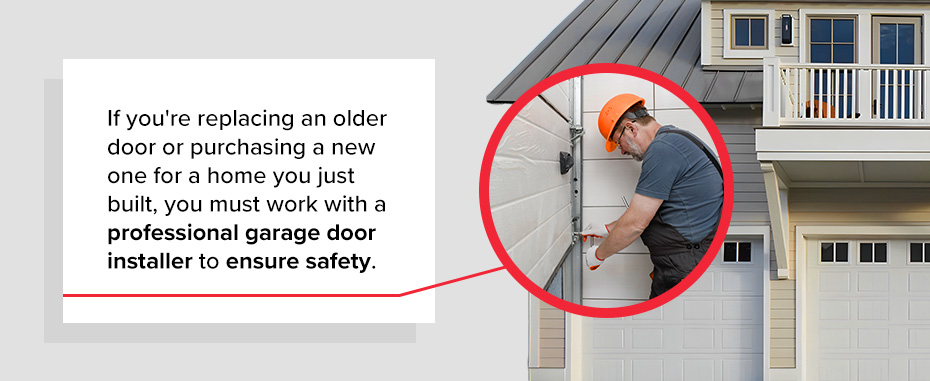
If you’re replacing an older door or purchasing a new one for a home you just built, you must work with a professional garage door installer to ensure safety. After installation, you can do the following monthly checks and maintenance activities to prolong protection:
- Clean the photo-eye sensors and make sure their indicator lights show a solid, steady alignment.
- Test the auto-reverse feature by placing a small object, such as a wooden block, in the door’s path to confirm the door changes direction upon contact.
- Test the photo-eye sensors by waving an object through the beam as the door closes.
- Look for visible signs of wear, damage or a door that appears uneven or off balance.
- Lubricate moving parts, such as hinges and rollers, as recommended by the manufacturer.
- Ensure locks and security latches engage properly.
- Test your backup battery, if your opener has one, to make sure it still holds a charge.
When to Call a Professional
The checks above will help you notice minor issues early, but you should avoid DIY repairs for your own safety. Every safety component, including sensors, springs and brackets, relies on the right setup, proper tension and accurate calibration, which only qualified technicians have the training and equipment to do.
Contact your local garage door company if you notice any of the following:
- Garage door safety sensors that need replacement. These will still malfunction even after being cleaned and realigned.
- A garage door opener made before 1993, as these units don’t include required safety features.
- Safety tests your system can’t pass, even after adjustments.
- Damage after a break-in attempt or signs of tampering.
Schedule a Garage Door Safety Inspection or Installation
If you’re a homeowner in the greater Cincinnati area and want to ensure your garage door meets modern safety standards, AE Door & Window can help.
With over 40 years of experience, we offer top-quality Clopay® garage doors, LiftMaster openers, and expert installation services that keep your home safer and your garage running smoothly. If you already have a door, our skilled technicians will inspect it and install new safety sensors or recommend other custom solutions depending on the issues they find.
Contact AE Door & Window today to learn more or schedule a garage door safety inspection.